Becoming a certified stringer entails a journey that varies depending on several factors. Generally, plan a minimum of approximately 6-12 years for finalization. The initial phase often consists of investigating the necessary training courses, which might take 1-3 periods. Then, the actual training itself often spans 2-6 weeks, incorporating both academic learning and hands-on experience. Following this, a required exam needs to be passed, which might add another 2-4 days depending on timing. Finally, the application for accreditation itself might take around 1-3 months for processing. Keep in remember that these are estimates, and individual situations will affect the complete duration.
Certified Stringer: What's the Training Time Commitment?
Becoming a qualified grip demands a considerable investment . The average period of training can fluctuate considerably, but generally, expect to spend anywhere from multiple weeks to exceeding six months. This encompasses both theoretical instruction, which can take approximately 20-40 sessions , and, critically, hands-on experience on video productions. The greater experience you build, the faster you'll be ready for entry-level positions, but a full understanding requires a longer learning journey .
Moving From Novice to Certified Technician : Realistic Frameworks
Evolving into a skilled stringer isn't a fast process. For a total beginner, achieving basic stringing competency – enough to safely string frames for family – could take approximately 20-40 sessions of dedicated practice. Then , obtaining a official certification, like those from the PTR , usually requires an extra 40-80 classes encompassing more complex techniques and completing a working exam. In conclusion, predict that developing a name and transitioning into a reputable stringing expert might take between 6-12 periods of regular work and ongoing learning.
The Path to Stringing Certification: How Long Will It Really Take?
Embarking on the process to becoming a recognized stringer can feel overwhelming , but understanding the schedule is key. Generally, achieving stringing credentials involves a combination of instruction and practical application. Most reputable programs offer courses lasting anywhere from five days to several weeks , depending on the depth of the curriculum. However, the complete time commitment isn't just about the workshop itself; you’ll also need to factor in practice time – often a minimum of 200 rackets – to truly master the craft . Therefore, realistically, expect the entire endeavor to take anywhere from six months , or even longer if you’re balancing it with a job .
Stringing Certification Timeline: Factors That Affect the Duration
The length of a stringing certification can vary considerably, influenced by numerous aspects. To start , the opted-for curriculum plays a key role; intensive courses might require as little as two days, while in-depth programs, including hands-on experience , could extend anywhere from one weeks to quite a few months. In addition here , existing racquet tennis knowledge can lessen the needed time, while those utterly unfamiliar to the technique will potentially need additional instruction. Finally, participant's study speed and time for training will also affect the overall finishing schedule.
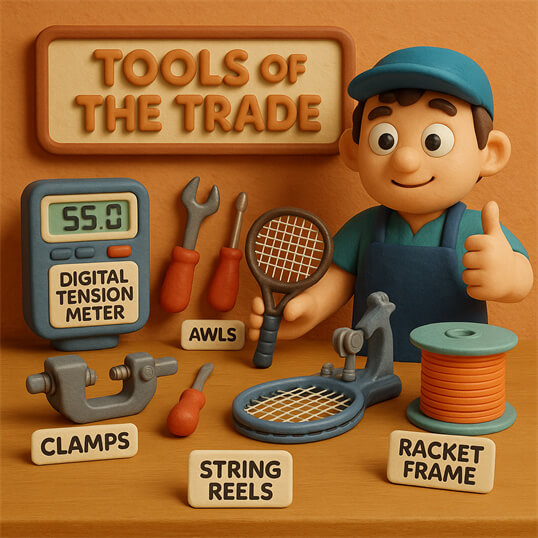
Becoming a Certified Stringer: Time, Practice, and Dedication
Achieving certification as a licensed stringer requires a significant investment of resources. Regular rehearsal is absolutely essential , demanding hours spent perfecting your technique . Real commitment is required to conquer the difficulties and master the intricacies of the system. Don't anticipate immediate results; building expertise takes durations of directed work and a willingness to study from criticism .